Education does more than prepare students for tests or careers. It helps families build stability, gives young people confidence, and strengthens the communities they call home. Across Texas, meaningful educational opportunity begins when students have access to supportive learning environments, dependable resources, and adults who believe in their potential.
Education Is a Community Investment
When communities invest in education, the benefits extend far beyond the classroom. Students gain the knowledge and practical skills needed to participate fully in civic and economic life. Families become better positioned to pursue long-term goals, and neighborhoods benefit from residents who are prepared to lead, serve, and solve local challenges.
Educational support can take many forms. It may include access to books and technology, safe places to study, mentoring, enrichment opportunities, or assistance with essential school supplies. The most effective support begins by listening to students, families, educators, and local organizations so that charitable resources respond to genuine needs.
Removing Barriers to Learning
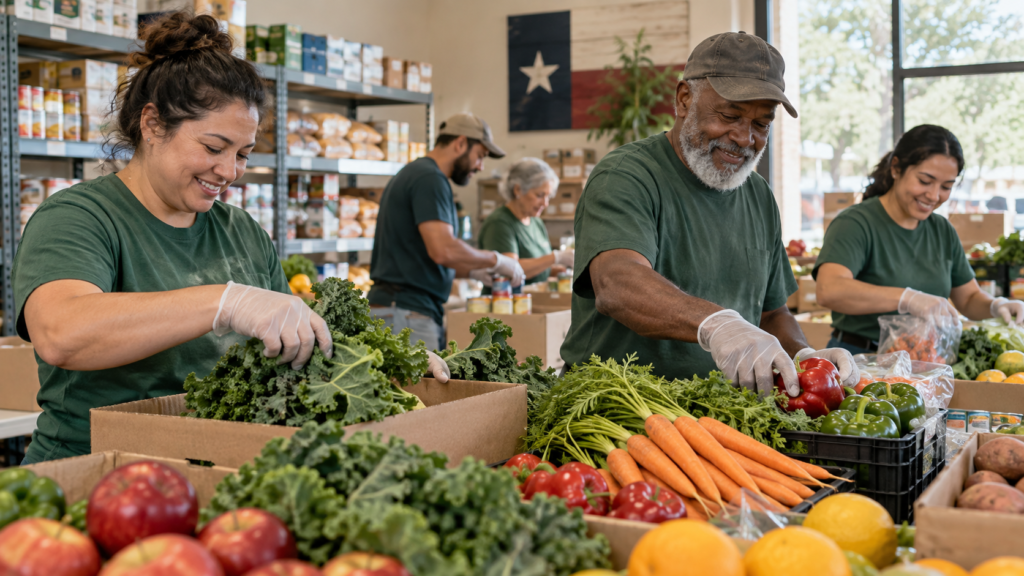
A student’s ability to learn can be affected by circumstances outside school. Food insecurity, limited transportation, unstable housing, or a lack of basic learning materials can make it harder to focus and participate. Addressing these barriers with dignity helps create the conditions in which education can take root.
Access to Essential Resources
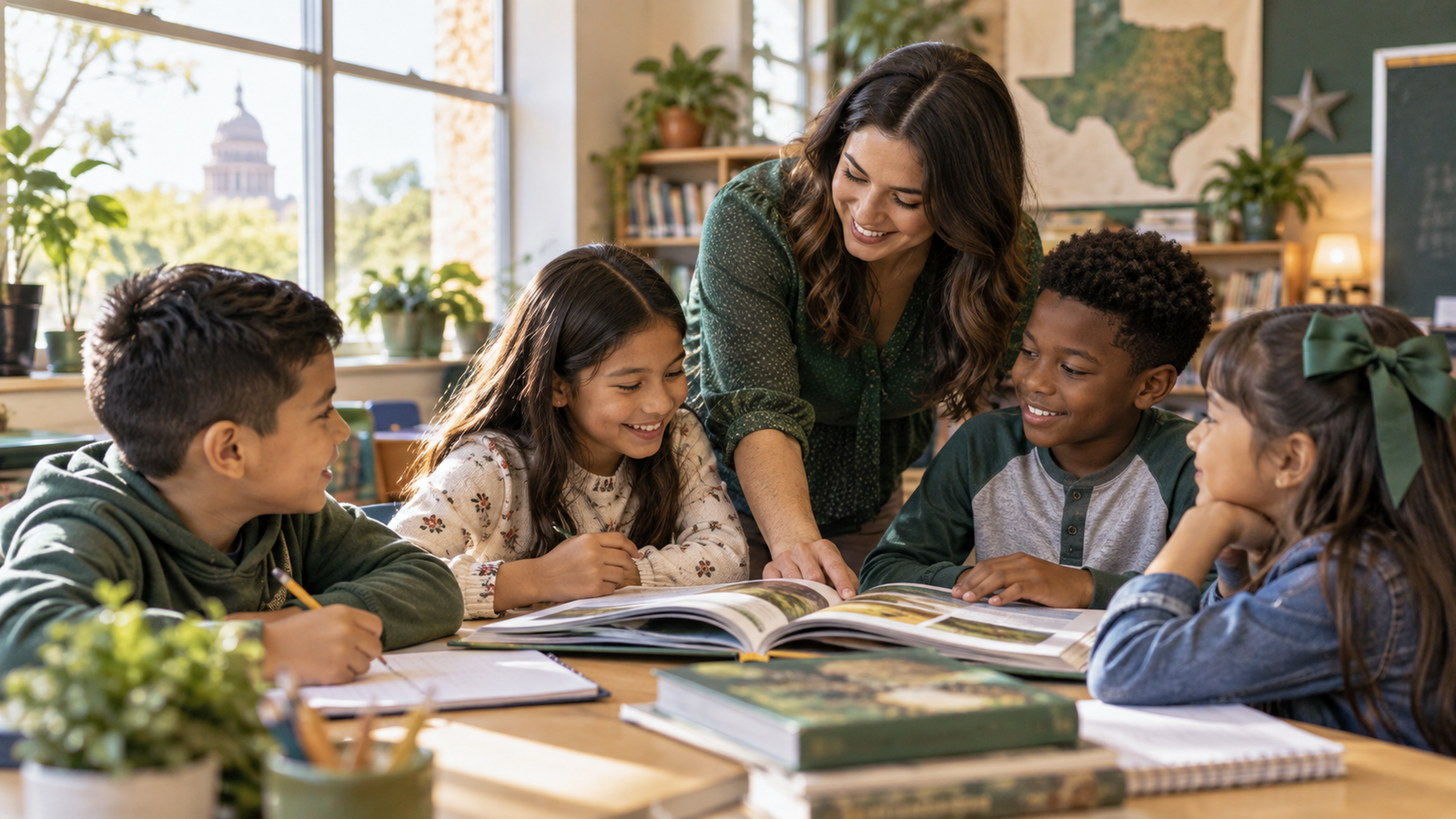
Reliable access to books, school supplies, digital tools, and quiet learning spaces can make a meaningful difference. Community-based giving can help direct resources toward the places where they are most useful while respecting the knowledge of schools and local leaders.
Encouragement Beyond the Classroom
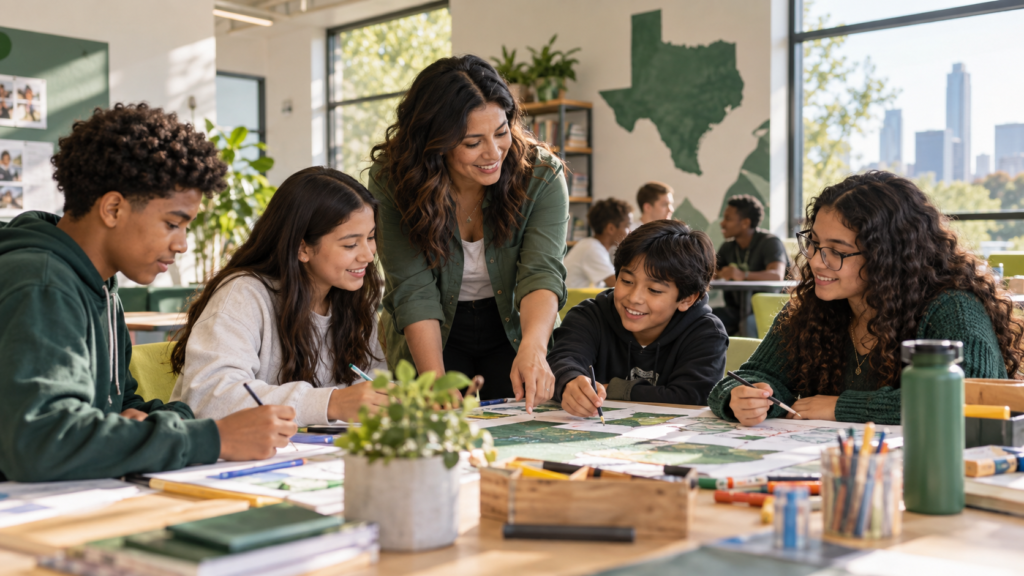
Students also benefit from consistent encouragement. Mentors, tutors, volunteers, and trusted community members can reinforce curiosity, persistence, and a sense of belonging. These relationships remind young people that their goals matter and that their community is invested in their future.
The Role of Schools, Families, and Community Partners
Lasting educational progress is rarely created by one organization acting alone. Schools understand their students’ day-to-day needs. Families bring essential insight into the challenges and strengths of their communities. Local nonprofits and charitable supporters can contribute resources, coordination, and sustained attention.
When these groups work together, support becomes more relevant and more respectful. Rather than applying a one-size-fits-all solution, communities can identify priorities that reflect local circumstances—from rural districts to growing suburbs and large urban neighborhoods.
How Thoughtful Giving Can Support Education
Donors who care about education can begin by considering the kind of change they hope to encourage. Some may be drawn to early learning, while others want to support school readiness, youth development, or access to enrichment. A clear charitable purpose makes it easier to connect generosity with meaningful community needs.
Prosperity Community Foundation is focused on connecting donors with charitable opportunities that support Texas communities. By keeping education among its core priorities, PCF seeks to encourage thoughtful giving that helps children, schools, and families move toward greater opportunity.
Building Opportunity Together
Strong educational pathways are built through steady, community-centered effort. When students have the tools, relationships, and environments they need to learn, they are better able to imagine what comes next. Supporting education is therefore not only an investment in individual students—it is an investment in the future strength of Texas communities.